
Best Renovations Before Listing Your Halton Hills Home

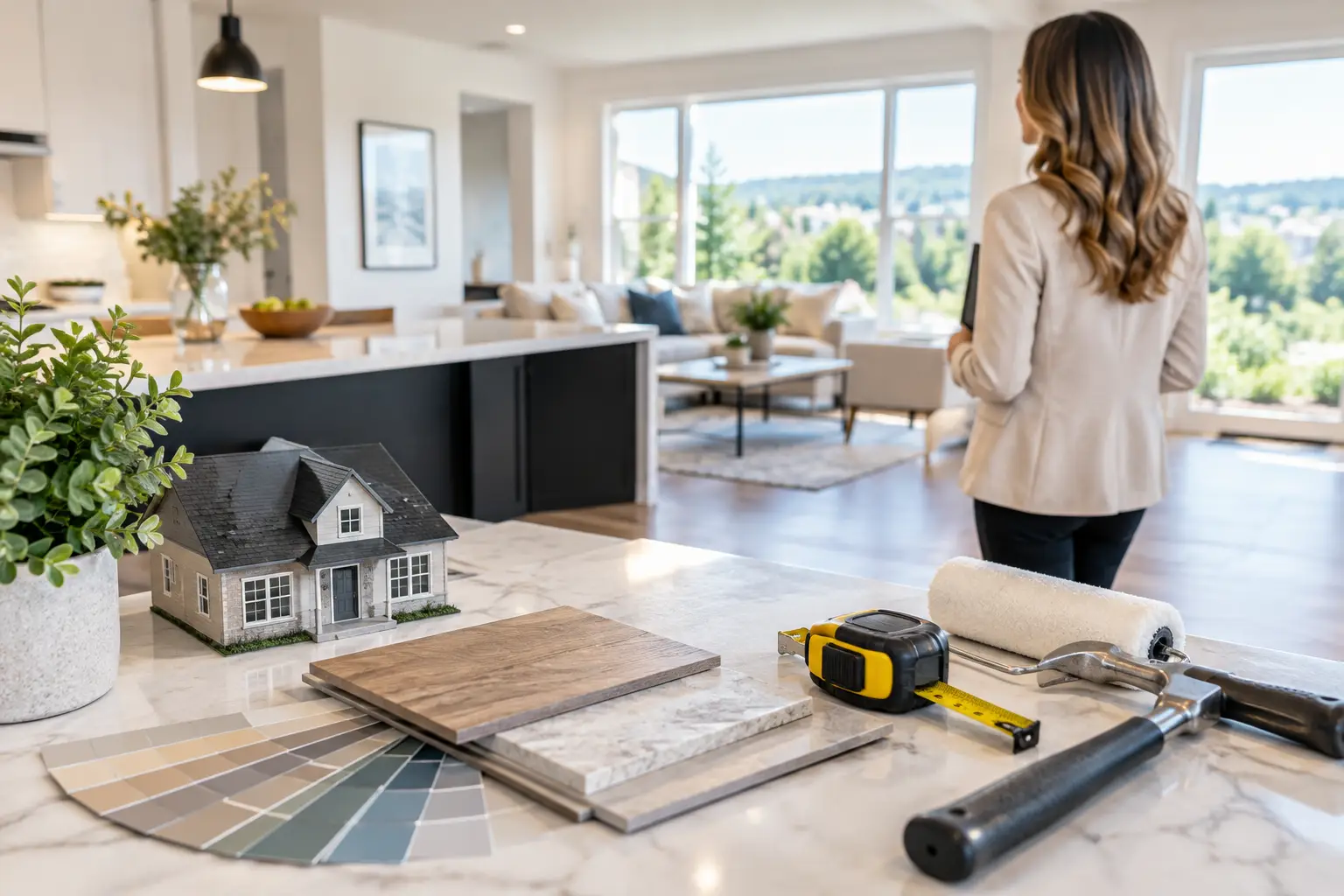
A buyer standing in your Georgetown kitchen will not calculate the cost of every improvement you made. They will form an impression within moments: Does this home feel cared for, functional, and ready for its next chapter? That is why the best renovations before listing are rarely the biggest projects. They are the targeted improvements that remove distractions, support your pricing strategy, and help buyers see value without imagining a long to-do list.
For sellers in Halton Hills, Glen Williams, Acton, and surrounding communities, preparation should begin with a clear look at the property, competing listings, likely buyer expectations, and your moving timeline. A renovation that makes sense for a five-year stay may not be the right decision when a sale is approaching.
Start With Strategy, Not a Renovation Wish List
Before booking a contractor or selecting tile, determine what the home needs to compete in its particular price range. A well-kept older home may need cosmetic updating. A newer home may only need decluttering, touch-ups, and professional presentation. A property with a major deferred maintenance issue may need more careful planning before it reaches the market.
The key question is not, “What renovation adds the most value?” It is, “What will make buyers hesitate, and what would make this home easier to choose?” Those are different questions. Buyers may accept an older bathroom with a clean, functional layout. They may be less forgiving of water staining, damaged flooring, an outdated electrical panel, or a front entry that suggests poor upkeep.
In Halton Hills, homes can vary widely by age, lot size, and style. A century property near downtown Georgetown or Glen Williams should not be renovated to resemble a new subdivision home. Its character may be part of the appeal. Conversely, a more contemporary Acton home may benefit from simple updates that make its finishes feel current. The right scope depends on the home, the expected buyer, and comparable properties available at the time of listing.
The Best Renovations Before Listing: Prioritize Condition
Repair visible defects first
Address anything that signals neglect or creates uncertainty. This can include loose railings, leaking faucets, cracked tiles, damaged screens, peeling caulk, missing trim, sticky doors, and visibly worn-out light fixtures. These may sound minor, but a collection of small issues can make buyers wonder what they cannot see.
Pay particular attention to moisture concerns. Stains on ceilings, damp odors, poor grading near the foundation, or evidence of active leaks deserve professional assessment rather than cosmetic concealment. A coat of paint over an unresolved issue is not a selling strategy. It can also create complications during inspections and negotiations.
For rural or semi-rural properties in Halton Hills, practical systems may matter as much as finishes. Sellers should consider the condition and documentation available for items such as wells, septic systems, heating equipment, and outbuildings. The appropriate preparation will vary by property, so it is wise to assess these items early rather than during the rush before listing.
Paint for light, consistency, and broad appeal
Painting is often one of the most effective pre-listing improvements because it changes the overall feel of a home without changing its layout. Neutral does not have to mean stark white. Soft warm whites, gentle grays, and muted earth tones can make rooms feel brighter and more connected.
The goal is consistency. If every room has a different bold color, buyers may focus on repainting rather than on the home’s space and features. Prioritize high-traffic areas, dark rooms, scuffed baseboards, and spaces with strong personal color choices. A clean, professionally finished paint job also photographs well, which matters when most buyers first meet your home online.
Refresh kitchens and bathrooms without overbuilding
Kitchens and bathrooms receive attention because they are expensive and disruptive to renovate. Yet a full replacement is not always the best use of time or money before a sale. If cabinets are structurally sound, consider refinishing or painting them, updating hardware, repairing grout, replacing worn caulking, and improving lighting. A new faucet, mirror, or vanity light can make an older bathroom feel cleaner and more intentional.
A complete kitchen renovation may be reasonable if the existing kitchen is seriously dated, poorly maintained, or out of step with nearby competing homes. Still, it involves risk. Your preferred cabinet color, countertop, or backsplash may not match a buyer’s taste, and construction delays can disrupt your selling timeline. If you are deciding between a full renovation and a polished refresh, compare the likely cost, timing, and market position before proceeding.
Improve flooring where wear is obvious
Flooring has a large visual impact because it runs through the home. Replace torn carpet, repair damaged hardwood, and resolve noticeably mismatched transitions where possible. If hardwood is under old carpet and can be restored affordably, refinishing may be worth exploring.
Do not replace every floor simply because it is not brand-new. Clean, intact flooring can be entirely appropriate, particularly if the home is priced with its age and condition in mind. Buyers are more likely to respond negatively to damage, stains, and poor maintenance than to a floor that is simply not their first choice.
Curb Appeal Is a Practical Selling Tool
The drive to a home in Georgetown, Acton, or Glen Williams is part of the showing experience. Buyers notice the exterior before they see the kitchen. A tidy approach helps the property feel welcoming and establishes confidence in its care.
Focus on straightforward maintenance: clean the front door, update worn hardware, trim overgrown shrubs, clear eavestroughs, repair broken steps, wash windows, and remove seasonal clutter. In warmer months, fresh mulch and healthy plantings can add polish. In colder months, safe access, clear walkways, and adequate exterior lighting become especially important.
Avoid expensive landscaping projects solely to chase a trend. A well-maintained yard usually matters more than a highly designed one. Buyers should be able to picture themselves using the outdoor space, not worry about inheriting a demanding garden.
Know What to Leave Alone
Some renovations can narrow your buyer pool or make it harder to recover costs. Highly personalized built-ins, luxury upgrades that exceed the neighborhood’s typical expectations, and major structural changes completed without a clear reason may not serve a pre-listing strategy.
For example, converting a functional bedroom into a specialized office, gym, or dressing room can reduce flexibility for growing families. If the space has already been converted, consider whether it can be staged to show multiple uses. Flexibility is often more persuasive than a costly reversal.
It may also be wiser to disclose and price around an older but functioning feature than to rush an extensive renovation. This is especially true when your move involves buying another home, downsizing, or coordinating a closing date. Preserving cash and reducing disruption can be as valuable as pursuing one more improvement.
Prepare for Inspections and Negotiation
Pre-listing preparation is not only about photographs. It is also about reducing surprises once a buyer is serious. Gather available permits, manuals, warranties, service records, and receipts for significant work. If you have completed improvements, keep a clear record of what was done and when.
A pre-listing home inspection can be useful in some situations, particularly for an older property or a home where the seller wants more information before setting a plan. It is not automatically necessary, and it does not replace a buyer’s right to conduct their own due diligence. However, it can help identify repairs that deserve attention before showings begin.
A hypothetical example: a seller preparing an older Georgetown home discovers a small plumbing issue during early preparation. Repairing it before listing may be simpler than having it arise during a conditional offer, when timing and negotiation pressure are higher. The value is not a guaranteed higher sale price. It is a more informed process and fewer last-minute decisions.
Build the Plan Around Your Move
The best preparation plan also respects your life outside the listing. Downsizers may need time to sort possessions and arrange their next home. Growing families may be balancing school schedules and a purchase search. Sellers moving within the GTA, Hamilton, Niagara, or Ottawa may need to coordinate financing, possession dates, and the logistics of two transactions.
Start with a realistic timeline. Break the work into repairs, cleaning, painting, staging, photography, and launch preparation. Then identify which projects require licensed professionals, which can be completed safely by the homeowner, and which can be skipped. Rushing a renovation can create more stress than value.
Ana Bastas Real Estate helps sellers evaluate preparation through the lens of local positioning, timing, and negotiation readiness. Experience the AB Advantage™ with a plan built around the property you have and the move you want to make.
Planning a move in Halton Hills or our broader service areas? Contact Ana Bastas Real Estate for a strategy tailored to your goals at 289-670-5888 or ana@anabastas.ca. Serving clients since 2012, Ana can help you decide what is worth improving, what can wait, and how to prepare with purpose.
Categories
- All Blogs (1547)
- Ana Bastas Real Estate Team (1)
- Ana Bastas Realtor (1)
- Ana bastas Realty (1)
- Brampton (3)
- Burlington (11)
- Buy & Travel™ Program (12)
- Buy and Sell Series (7)
- Buyer (360)
- Community News (6)
- Divorce (23)
- Downsizing (23)
- Events (77)
- First Time Home Buyers (154)
- Georgetown (40)
- Georgetown Buyers (8)
- Halton Hills (275)
- Hamilton (30)
- Holidays (46)
- Holidays & Local Events (80)
- How To (143)
- Interest Rates (11)
- Investor (55)
- Join ABR Team (4)
- Landlord (108)
- Lifestyle (177)
- Milton (84)
- Mississauga (4)
- Mortgage (24)
- Niagara (48)
- Oakville (7)
- Older Home (6)
- Real Estate News (236)
- Realtor (73)
- Renter (99)
- Seller (276)
- seller education series (7)
- Tax's (28)
- Tips (44)
- Toronto (150)
- Wealth Building (17)
- Wellington (5)
- YYZ (105)
Recent Posts







"My job is to find and attract mastery-based agents to the office, protect the culture, and make sure everyone is happy! "